The Multi-Cluster Networking Tax Is Real
Let's be honest: running multiple AKS clusters is a necessary evil for most organizations. You need them for compliance, disaster recovery, or simply to isolate blast zones. But the moment you need those clusters to talk to each other, you hit a wall of VPNs, gateways, and manual service discovery. This is what Microsoft calls the "networking tax."
Today, that tax is being eliminated. Azure Kubernetes Fleet Manager has announced the public preview of its Cilium-based cross-cluster networking capability. This isn't just another incremental feature; it's a fundamental shift in how we think about multi-cluster architectures on Azure.
Azure Kubernetes Fleet Manager was already solving workload propagation and update orchestration. But the network remained the final frontier. With this update, the vision of a truly unified fleet is becoming a reality.
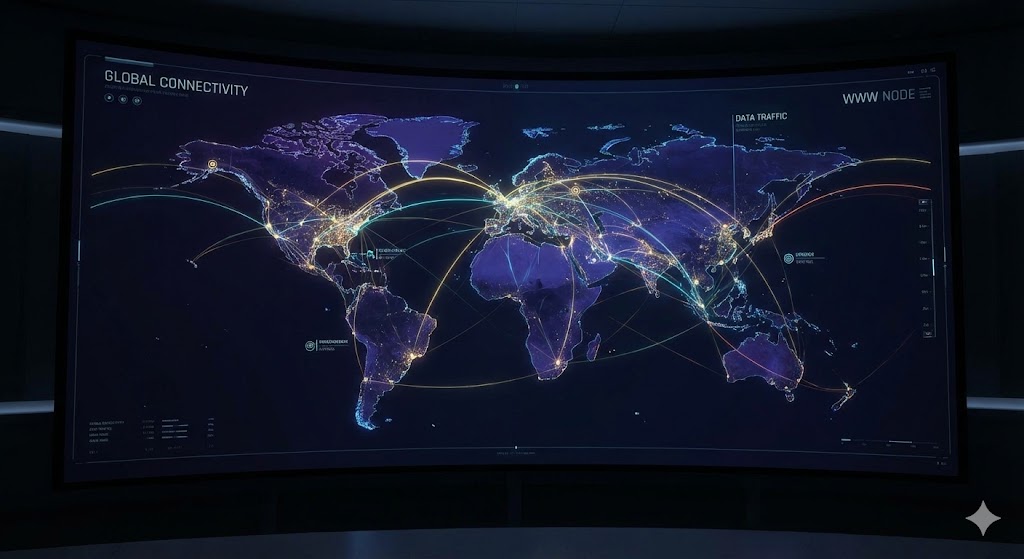
How It Works: Cilium + eBPF Under the Hood
The magic happens by extending the Kubernetes networking model across cluster boundaries. This isn't a proprietary protocol; it's built on open-source foundations: Cilium for the dataplane and Kubefleet for fleet-level orchestration. Both are CNCF projects, ensuring transparency and alignment with the broader ecosystem.
At its core, this uses eBPF-based routing to enable pods to communicate across clusters with native performance. No proxies, no gateways. Here's a peek at the key capabilities:
- Seamless East-West Connectivity: Pods communicate across clusters as if they were in the same cluster.
- Global Service Discovery: Annotate a service with
service.cilium.io/global=trueand it automatically discovers endpoints across all joined member clusters. - Multi-Cluster Observability: Unified metrics, logs, and flow visibility across the entire fleet.
- Unified Security: Enforce enterprise-grade network policies across all clusters, not just one.
Setting It Up
The setup is surprisingly simple. First, ensure your clusters have Azure CNI powered by Cilium and Advanced Container Networking Services (ACNS) enabled. Then:
- Join your clusters to a Fleet.
- Associate the members with a cross-cluster network profile.
- Deploy services with the global annotation.
# Example: Create a namespace and deploy a global service
kubectl create ns global-app

# Deploy your application deployment (simplified)
kubectl apply -f - <<EOF
apiVersion: apps/v1
kind: Deployment
metadata:
  name: app-deployment
  namespace: global-app
spec:
  replicas: 2
  selector:
    matchLabels:
      app: my-app
  template:
    metadata:
      labels:
        app: my-app
    spec:
      containers:
      - name: my-app
        image: nginx:latest
EOF

# Expose it as a Global Service
kubectl apply -f - <<EOF
apiVersion: v1
kind: Service
metadata:
  name: my-global-service
  namespace: global-app
  annotations:
    service.cilium.io/global: "true"
spec:
  selector:
    app: my-app
  ports:
  - port: 80
    targetPort: 80
EOF
Once configured, Fleet Manager automatically handles certificates and network configurations. The burden of manually setting up Cilium multi-cluster components is gone.
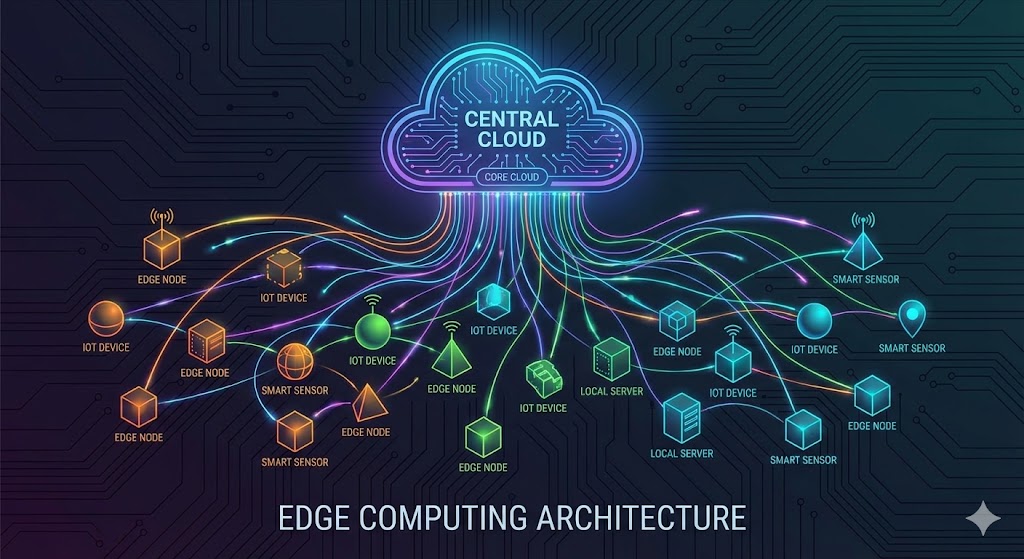
Is This the Future of Multi-Cluster? (And What's the Catch?)
This is a significant move by Microsoft. It signals that they see the future of Kubernetes as inherently multi-cluster, and they're building the networking fabric to support it. The strategic resilience angle is clear: building "Shared Services" or "Global Services" architectures becomes drastically simpler.
| Capability | Azure Fleet Manager (New) | Traditional VPN/Gateway |
|---|---|---|
| Performance | Native eBPF routing | Adds latency via proxy |
| Service Discovery | Automatic (Global Service) | Manual or external DNS |
| Security Policies | Unified across clusters | Per-cluster, complex to manage |
| Operational Overhead | Zero-touch (managed) | High (manual config & maintenance) |
The Limitations & Caveats
It's important to keep a critical eye on this preview. While the promise is massive, there are constraints:
- Prerequisite Lock-in: You must be running Azure CNI powered by Cilium and ACNS. This means you can't use this with the standard kubenet or other CNI plugins.
- Azure-Centric: This is deeply integrated with AKS and Fleet Manager. If you're running a hybrid or multi-cloud fleet, this won't help you connect to your GCP or on-prem clusters.
- Preview Status: As a public preview, production workloads should be cautious. The feature set and behavior could change.
Next Steps for Your Learning
This technology is a great example of the industry moving toward eBPF as the standard for high-performance networking. To get ahead of the curve:
- Dive into Cilium: Understanding Cilium's architecture is essential for troubleshooting and leveraging advanced features.
- Explore Advanced Container Networking Services: Get familiar with the observability and security features ACNS provides on top of the dataplane.
- Test the Global Service Concept: Don't just read about it. Set up two clusters and try the failover scenario yourself.
For those building on Azure, this is a game-changer. It removes one of the last remaining arguments against a full fleet-based architecture. The question is no longer "how do we scale a cluster?" but "how do we scale our entire fleet?"
If you're also exploring how to bring similar resilience to your AI workloads, check out our guide on NVIDIA DOCA In-Silicon Security to understand the blueprint for protecting AI factories.

Conclusion: The Cluster Boundary Is No Longer the Limit
Microsoft's cross-cluster networking for Fleet Manager is more than just a feature; it's a strategic enabler. It effectively makes the cluster boundary transparent for applications, allowing you to build truly distributed, resilient systems without the operational headache.
For platform engineers, this is the tool that will let you abstract away infrastructure complexity from your developers. For business leaders, it's a path to higher availability and faster regional expansion.
The future of Kubernetes isn't about managing a single cluster; it's about managing a fleet. And with this update, the network is finally on your side.